
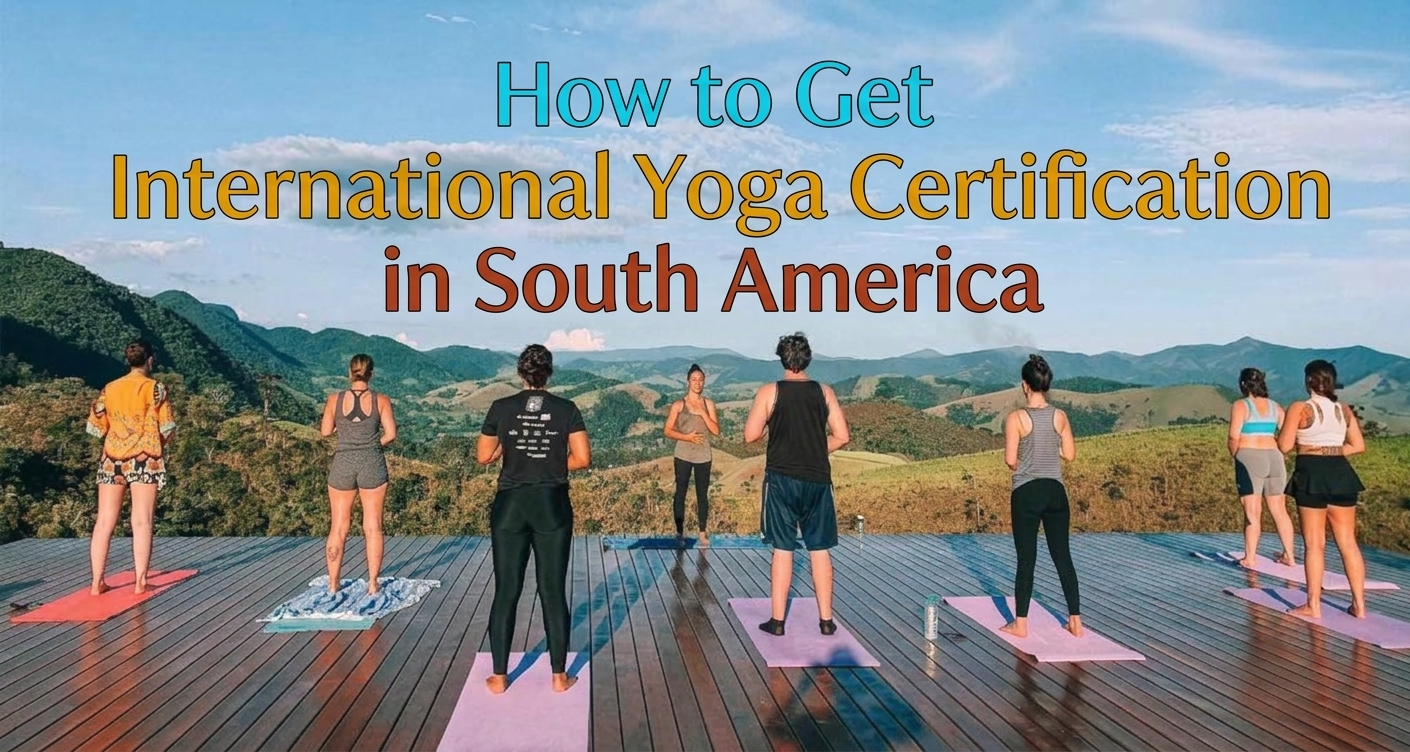
Yoga has become increasingly popular worldwide, attracting people interested in physical fitness, mental well-being and traditional yogic philosophy. South America is an appealing destination for yoga education because of its diverse cultures, natural surroundings and growing wellness communities. Countries such as Brazil, Argentina, Peru, Colombia and Chile offer opportunities to explore yoga through studios, wellness centres and teacher training programmes.
Understanding how to get international yoga certification in South America can help aspiring instructors take the first step towards a professional teaching career. An internationally recognised yoga teacher training programme provides knowledge of asanas, pranayama, meditation, anatomy and teaching methodology.
However, selecting the right course requires careful research into the school's credentials, curriculum, training hours and certification standards. This guide explains the certification process, eligibility requirements, course options and important factors to consider before enrolling in a professional yoga teacher training programme.
Why Choose South America for International Yoga Teacher Training?
South America offers a distinctive environment for people interested in professional yoga education. Its combination of natural landscapes, cultural diversity and developing wellness communities can make the learning experience more engaging. Students can explore yoga in peaceful locations, including coastal areas, mountain regions and countryside retreats. These surroundings may also support personal reflection, meditation and consistent yoga practice throughout the training period.
Another advantage is the opportunity to experience yoga alongside different cultural and wellness traditions. Several South American destinations have yoga studios, retreat centres and holistic wellness communities where students can connect with practitioners from different backgrounds. When considering how to get international yoga certification in South America, it is important to remember that the destination alone does not determine the value of a qualification.
Benefits of Completing Yoga Teacher Training in South America
-
Cultural Exposure: Students can experience different approaches to wellness, mindfulness and community-based yoga practice while learning alongside international participants.
-
Natural Learning Environment: Mountains, forests and coastal locations can provide peaceful surroundings for meditation, breathing exercises and personal yoga practice.
-
International Networking: Training programmes may bring together students from different countries, helping future instructors develop professional connections and exchange knowledge.
-
Personal Development: A structured yoga course can improve self-discipline, confidence, body awareness and understanding of traditional yoga principles.
-
Teaching Opportunities: Professional training can prepare graduates to explore teaching opportunities in studios, wellness centres, retreats and private classes, depending on local requirements.
-
Immersive Learning Experience: Students can dedicate focused time to daily practice, theoretical lessons and practical teaching activities without the usual distractions of everyday routines.
Take the Next Step in Your Yoga Journey with YAI South America
Whether you are a yoga teacher looking for professional certification or a yoga school seeking certification, YAI provides opportunities to support your professional journey and recognition. Choose the relevant application below to get started.
School: https://form.jotform.com/250402319636452
Teacher: https://form.jotform.com/250700797178464
How Can You Find an Internationally Recognised Yoga Certification Programme in South America?
Finding the right yoga teacher training programme is one of the most important steps towards becoming a professional instructor. South America has training options in countries such as Argentina, Brazil, Chile, Colombia, Ecuador and Peru. You can explore local yoga schools, international training providers and specialised wellness centres offering different levels of professional yoga education. However, not every school offering a yoga certificate provides an internationally recognised qualification, so checking its accreditation is essential.
Start by identifying the certification organisation whose standards match your professional goals. For example, Yoga Alliance (US) provides Certified Yoga School (CYS) credentials, including CYS 200, CYS 300 and CYS 500. Yoga Alliance International (YAI) is a separate organisation with its own certification framework and network of schools and teachers. Do not assume that these organisations offer identical credentials or recognition. Review the issuing body's official requirements before enrolling.
Important Factors to Check Before Selecting a Yoga School
1. Certification Authority: Check which organisation issues or recognises the qualification. Confirm the exact credential rather than relying on general claims of international recognition.
2. School Accreditation: Verify whether the institution appears in the relevant organisation's official school directory. Make sure its registration is active and covers the specific training programme.
3. Qualified Instructors: Review the lead trainer's qualifications, professional experience and teaching background. Experienced instructors can provide better guidance in both theoretical and practical subjects.
4. Course Curriculum: Examine the subjects, training hours, teaching practice and assessment methods. A comprehensive programme should cover more than physical postures.
5. Student Reviews: Read feedback from previous trainees to understand the teaching quality, course organisation and learning experience. Look for detailed reviews rather than relying only on promotional testimonials.
6. Certification Verification: Ask how you will receive your certificate and whether employers or other institutions can independently verify your qualification after graduation.
What Are the Eligibility Requirements for International Yoga Teacher Certification?
Eligibility requirements vary between yoga schools, certification organisations and individual training programmes. Many foundational 200-hour yoga teacher training courses welcome beginners who have a genuine interest in yoga and a willingness to learn. However, some schools prefer applicants to have previous yoga experience because the training involves regular physical practice, theoretical lessons and teaching activities. You should read the admission policy carefully before submitting your application.
For people researching how to get international yoga certification in South America, previous professional teaching experience is generally not a universal requirement for entry-level training. Nevertheless, applicants should have a basic understanding of yoga practice and be comfortable participating in structured classes. Some advanced programmes require candidates to complete foundational teacher training before enrolling.
Common Eligibility Criteria for Yoga Teacher Training
-
Basic Yoga Knowledge: Applicants should understand fundamental yoga postures, breathing techniques and basic principles of regular practice. Previous experience can make the training easier to follow.
-
Minimum Age: Many professional training providers require participants to be at least 18 years old. However, the minimum age should be confirmed directly with the selected school.
-
Physical Readiness: Students should be prepared for regular yoga sessions, practical demonstrations and meditation activities. A high level of flexibility is not necessarily required for beginner-level training.
-
Commitment to Learning: Teacher training requires discipline, consistent attendance and participation in theoretical and practical lessons. Students should be prepared to complete assignments and assessments.
-
Language Proficiency: Check whether classes are conducted in English, Spanish or Portuguese. International students may need sufficient language skills to understand instructions and complete examinations.
-
Previous Certification: Advanced 300-hour or specialised programmes may require a recognised foundational qualification. Confirm the prerequisite documents before paying the admission fee.
Which South American Countries Offer International Yoga Teacher Training?
Several countries in South America provide opportunities to study yoga through independent schools, studios, retreat centres and international training networks. Your choice should depend on the course curriculum, teaching faculty, certification pathway, language requirements and overall learning environment. Rather than selecting a country only because it is a popular travel destination, compare individual institutions and verify their credentials.
Argentina, Brazil, Chile, Colombia, Ecuador and Peru are among the countries represented in the Yoga Alliance International South America network. Its regional website provides information about certified schools, teachers and different training levels. This can be a useful starting point when researching international yoga teacher certification in the region. However, you should independently verify the status and standards of each school before making a financial commitment.
Popular Destinations for Yoga Teacher Training
1. Argentina: Argentina offers opportunities to explore yoga through studios, wellness communities and teacher training institutions. Buenos Aires and other cultural destinations may appeal to students interested in combining professional education with an urban lifestyle.
2. Brazil: Brazil has an established wellness and fitness culture, with opportunities to explore yoga in cities and coastal destinations. Students can compare different yoga styles and training approaches before selecting a certified institution.
3. Chile: Chile offers diverse natural surroundings, including coastal areas and mountain landscapes. Students interested in peaceful retreats and structured yoga practice can investigate available training programmes.
4. Colombia: Colombia has a growing interest in wellness activities, meditation and holistic lifestyles. Students can explore yoga studios and teacher training opportunities in different cities.
5. Peru: Peru attracts wellness travellers because of its natural landscapes and cultural heritage. Students may find opportunities to combine yoga education with meditation and personal development activities.
6. Ecuador: Ecuador provides access to varied natural environments, including mountain regions and coastal communities. It can be considered by students looking for an immersive learning experience.
What Subjects Are Covered in a 200-Hour International Yoga Teacher Training Course?
A 200-hour yoga teacher training programme is a common starting point for aspiring yoga instructors. It provides foundational knowledge of yoga philosophy, physical postures, breathing techniques, anatomy and teaching methodology. The purpose is to help students understand how to practise yoga correctly and guide others through safe, structured sessions. A well-designed programme should balance theoretical education with practical experience.
If you are exploring how to get international yoga certification in South America, pay particular attention to the educational content of the 200-hour course. For example, Yoga Alliance's CYS 200 framework includes four educational categories: Techniques, Training and Practice; Anatomy and Physiology; Yoga Humanities; and Professional Essentials. Training schools must structure their programmes around the applicable standards and assess trainees' knowledge and abilities.
Essential Subjects Included in Yoga Teacher Training
-
Yoga Philosophy: Students learn about traditional yoga principles, the history of yoga and philosophical concepts that influence everyday practice.
-
Asana Practice: Training covers standing, sitting, balancing, twisting and relaxation postures. Students learn alignment, modifications and appropriate techniques for guiding different practitioners.
-
Pranayama: This subject introduces breathing practices that support concentration, awareness and controlled breathing. Students learn how to explain and demonstrate appropriate breathing exercises.
-
Yoga Anatomy: Students explore the structure of the human body, muscles, joints and movement patterns. This knowledge helps instructors understand alignment and recognise physical limitations.
-
Meditation and Mindfulness: Training introduces meditation techniques, concentration practices and relaxation methods. Students learn how to incorporate these practices into structured yoga sessions.
-
Teaching Methodology: Students develop skills in class planning, sequencing, demonstration, verbal instruction and student observation. Practical teaching activities help them gain confidence before graduation.
How Long Does It Take to Complete International Yoga Certification in South America?
The duration of an international yoga teacher training course depends on its certification level, teaching format and school schedule. A foundational 200-hour programme may be delivered through an intensive residential course or a part-time schedule spread across several weeks or months. Intensive programmes generally involve daily yoga practice, classroom instruction, meditation and practical teaching sessions. Part-time options may be more suitable for students who need to balance their education with professional or personal responsibilities.
When planning how to get international yoga certification in South America, consider the total training hours rather than looking only at the number of days. A shorter programme is not necessarily better if it does not provide enough time for practice, assessment and understanding essential subjects. You should also check whether the stated duration includes independent study, assignments and supervised teaching. The school should clearly explain its attendance policy and graduation requirements before accepting your application.
Common Yoga Teacher Training Levels and Their Duration
-
200-Hour Foundation Training: Develops fundamental knowledge of yoga philosophy, asanas, anatomy and teaching methodology. It is a common starting point for aspiring yoga instructors.
-
300-Hour Advanced Training: Builds on foundational yoga education through advanced techniques, specialised subjects and improved teaching methods. It is generally intended for teachers who have completed 200-hour training.
-
500-Hour Comprehensive Training: Combines foundational and advanced yoga education into a comprehensive programme. It helps students develop deeper knowledge and more advanced professional teaching skills.
Factors That Influence Course Duration
1. Training Format: Residential programmes usually follow a fixed daily schedule, while part-time courses may spread the same training requirements over a longer period.
2. Certification Level: Foundational programmes generally require fewer hours than advanced or comprehensive teacher training courses.
3. Practical Assessments: Schools may allocate additional time for teaching demonstrations, examinations and supervised practice before awarding certificates.
4. Independent Study: Some programmes include reading assignments, written assessments and personal practice outside scheduled classroom sessions.
5. Attendance Requirements: Students may need to attend a specified percentage of classes to qualify for graduation. Missed sessions can sometimes extend the completion period.
6. Specialised Training: Courses in prenatal yoga, children's yoga, therapeutic applications or other specialised areas may require additional education beyond foundational training.
How Much Does International Yoga Teacher Certification Cost in South America?
The cost of international yoga teacher certification in South America varies according to the country, training school, programme duration and accommodation arrangements. Residential courses may include accommodation, meals, yoga materials and access to training facilities, while non-residential programmes may charge tuition separately. Advanced certification courses generally involve additional training hours and may have different fee structures.
Before selecting a programme, request a complete breakdown of the total expenses. The advertised course fee may not include examination charges, certification registration, travel, accommodation or additional learning materials. If you are an international student, currency exchange rates and payment processing charges may also affect your budget. Comparing the complete cost of different yoga schools can help you choose a programme that meets your educational and financial requirements.
Main Expenses to Consider When Planning Your Training
-
Course Tuition: This is the primary expense and generally covers classroom instruction, practical yoga sessions and access to the training curriculum.
-
Accommodation: Residential programmes may provide shared or private rooms. Confirm the accommodation type, facilities and number of days included in the course package.
-
Food and Meals: Some yoga schools include daily meals, while others expect students to arrange their own food. Check whether the available meals match your dietary preferences.
-
Travel Expenses: International students should calculate flights, local transportation and transfers between the airport and training centre. Travel expenses can differ significantly between destinations.
-
Study Materials: Books, manuals, yoga props and other educational resources may involve additional charges. Ask the institution whether these materials are included in the tuition fee.
-
Certification and Registration: Certain organisations may charge separate fees for teacher registration, membership or certificate processing.
How Can You Apply for International Yoga Certification in South America?
Applying for an international yoga teacher training programme requires research, document preparation and communication with the selected institution. Start by identifying your preferred certification level and choosing a country that suits your educational needs. Next, shortlist schools that offer the relevant programme and verify their credentials through the appropriate certification organisation. Do not rely exclusively on social media advertisements or statements such as globally recognised without checking the actual registration.
Once you have selected a suitable school, contact its admissions team and request the complete course details. Ask about eligibility, training dates, fees, language requirements, accommodation and certificate verification. International applicants should also check the relevant country's visa and entry requirements through official government sources. These steps can help you understand how to get international yoga certification in South America without overlooking important admission or travel arrangements.
Step-by-Step Application Process
1. Define Your Career Goals: Decide whether you want to become a beginner-level yoga instructor, deepen your personal practice or pursue specialised professional training. Your goals will help you select the appropriate certification level.
2. Research Certified Schools: Search official certification directories and regional yoga networks to identify suitable institutions. Compare their training programmes, registration status and teaching faculty.
3. Check Admission Requirements: Review the school's eligibility criteria, previous experience requirements and language of instruction. Contact the admissions department if any requirement is unclear.
4. Prepare Your Documents: Depending on the institution, you may need an identification document, completed application form, previous yoga certificates and a brief personal statement.
5. Submit Your Application: Complete the application process and provide the requested information. Some schools may arrange an interview or introductory discussion before confirming admission.
6. Confirm Your Enrolment: Review the course agreement, payment conditions, attendance policy and cancellation terms. Once your admission is confirmed, make the necessary travel and accommodation arrangements.
Documents International Students May Need
-
Valid Passport or Identification: Provide a valid passport or another identification document accepted by the yoga school. Ensure that your personal details are accurate and your documents are up to date.
-
Application Form: Complete the yoga teacher training application form with the required personal and educational details. Review all information before submitting it to the institution.
-
Previous Yoga Certificates: Submit certificates from earlier yoga courses if the programme requires them. These documents help the school verify your previous training and experience.
-
Yoga Experience Details: Prepare a short description of your yoga practice, including your experience and preferred yoga styles. This helps the admissions team understand your learning background.
-
Recent Photographs: Provide recent passport-size photographs if requested by the institution. These may be required for student records, identification or certificate processing.
-
Visa and Travel Documents: Arrange the necessary visa and travel documents according to the destination country's requirements.
What Happens After Completing Your Yoga Teacher Training?
After completing the programme, students generally need to fulfil the school's attendance, assessment and practical teaching requirements before receiving their certificate. Depending on the certification organisation, you may also need to complete a separate application or registration process to obtain an individual teacher credential. For example, completing an eligible 200-hour programme at a Yoga Alliance Certified Yoga School is the training requirement for applying for its CYT 200 credential.
Once you receive your qualification, keep your certificate, course transcripts and supporting documents safely. You can use them when applying for teaching positions, approaching yoga studios or pursuing advanced training. Always describe your qualification accurately and distinguish between completing a training course and holding a separate professional registration.
Career Opportunities After International Yoga Certification
-
Yoga Studio Instructor: Teach group yoga sessions at fitness centres, yoga studios and wellness facilities. You can work with beginners or experienced practitioners depending on your training.
-
Private Yoga Trainer: Provide individual yoga sessions based on clients' goals, experience and physical abilities. Private teaching can offer greater flexibility in scheduling classes.
-
Retreat Yoga Instructor: Work with wellness retreats and yoga centres that organise residential programmes. This opportunity can allow you to teach participants from different countries.
-
Online Yoga Teacher: Conduct virtual yoga classes through digital platforms and develop an international student community. Online teaching can help you reach people beyond your local area.
-
Specialised Yoga Instructor: Pursue additional education in areas such as prenatal yoga, children's yoga or other specialised practices. Additional qualifications may be required for these teaching roles.
-
Independent Yoga Professional: Establish your own yoga classes, workshops or wellness business. You can gradually develop your professional reputation through consistent teaching and student engagement.
Get your internationally recognized yoga certification with authentic yoga standards in South America.
Conclusion
Getting an international yoga qualification in South America can be a valuable step towards developing your knowledge, teaching abilities and professional confidence. However, choosing the right training institution is more important than simply selecting a popular destination. Research certification organisations, verify school credentials, compare training hours and understand the complete course requirements before enrolling.
If you are researching how to get international yoga certification in South America, begin with a recognised foundational programme that matches your career goals. Focus on developing a strong understanding of yoga philosophy, anatomy, asana practice, pranayama and teaching methodology. With quality education, consistent practice and practical teaching experience, you can build a foundation for exploring professional opportunities in the international yoga and wellness industry.
Explore Our Recent Blogs
-
How Fitness Instructors Can Get Yoga Certification in South America
-
Yoga Certification for Wellness Professionals in South America
-
Yoga Teacher Certification for Ayurveda Professionals in South America
-
How to Get International Yoga Certification After a Local Yoga Course
Frequently Asked Questions
1. Can beginners apply for international yoga teacher certification in South America?
Yes, many 200-hour yoga teacher training programmes accept beginners who have a genuine interest in learning yoga. However, some schools prefer applicants with previous practice experience. Always check the admission requirements before applying.
2. Is a 200-hour yoga teacher training certificate internationally recognised?
A 200-hour qualification from an appropriately credentialed school can support your professional development and eligibility for a relevant teacher registration. However, recognition depends on the issuing organisation, the credential and the employer's requirements. It does not automatically provide a teaching licence in every country.
3. Can international students complete yoga teacher training in Brazil or Argentina?
Yes, international students can explore yoga teacher training programmes in both countries. They should check the school's admission requirements, language of instruction and certification status. Visa and travel requirements should also be verified before enrolment.
4. Do I need previous teaching experience to become a certified yoga instructor?
Previous teaching experience is generally not required for entry-level 200-hour yoga teacher training. Students learn teaching methodology and practise conducting classes during their education. Advanced programmes may require previous yoga training or professional teaching experience.
5. Can I teach yoga internationally after completing my certification in South America?
You can explore international teaching opportunities after completing an appropriate yoga teacher training programme. However, employers may have different qualification and experience requirements. You should also check local professional, business and legal requirements before offering yoga classes in another country.
6. What is the difference between 200-hour and 500-hour yoga teacher certification?
A 200-hour programme provides foundational knowledge of yoga practice, philosophy, anatomy and teaching methodology. A 500-hour qualification represents a more comprehensive training pathway that includes foundational and advanced education. The additional training can help instructors deepen their knowledge and develop more advanced teaching skills.